
Online Casino Table Games: How the Main Options Compare and Which Suits You
See also:
- Operator comparison: games, accounts and verification
- smooth spins casino
- magic reels casino
- castle casino
- daytona spin casino
- royal reels online casino australia real money
- ipad casino
- betonred casino
- What counts as a table game and how the main types differ
- The decision criteria: house edge, pace and how much your choices matter
- Roulette, blackjack, baccarat and casino poker side by side
- Live dealer tables versus software-based versions
- Free play and demo modes: what they teach and what they cannot
- Common questions about online table games
- Staying in control at the tables
Operator comparison: games, accounts and verification
Side bet availability alters house edge. Evaluating optional wager structures clarifies whether additional bets improve or degrade overall expected value for the primary game.
| Brand | Details |
|---|---|
| smooth spins casino | Unlike slots, table games at Smooth Spins involve player decisions, so strategy and stake management affect outcomes within the rules. |
| magic reels casino | Live tables run to the dealer’s pace, so check seating and queue length before joining a busy table. |
| castle casino | Live dealer tables run to the croupier’s pace; Castle Casino’s 1,000-plus game library after registration lets players compare formats. |
| daytona spin casino | The site runs in a responsive browser rather than a native app; test a practice table in landscape before staking cash on a compressed phone layout. |
| royal reels online casino australia real money | Royal Reels’ 30x welcome requirement credits table stakes at 3%, so table play and bonus progress advance at different speeds. |
| ipad casino | Every iPad model from the original to the Mini runs these sites, though live-table seats depend on the operator’s schedule. |
| betonred casino | Roulette edge differs by wheel: 2.7% on European single-zero against 5.26% on the American double-zero version. |
Optional bets carry distinct risks. Analysing their independent edges ensures they do not undermine the favourable conditions of the main table variant you select.
smooth spins casino
Before you open a blackjack hand at Smooth Spins casino, know the table’s rules: how many decks, whether the dealer stands on soft 17, and what the side bets pay. Those details decide the house edge far more than the theme does. The operator, BV Gaming Limited, holds a Gambling Commission licence, and games run under that regulated framework.
boylesports casino no deposit bonus terms: wagering, caps, eligibility
magic reels casino
Progressive jackpot tables and side bets tempt players precisely because payouts look large. Side bets usually carry a higher house edge than the main game, so a blackjack table with a tempting pair bet can be worse value than a plain one. Compare the core game first and treat side bets as entertainment spending, not strategy.
castle casino
Blackjack strategy is a table you learn, not intuition. The correct play depends on your two cards, the dealer’s upcard and the rules in force. When the strategy chart says double on eleven against a dealer’s six, that is a calculation, not a preference. Castle Casino offers over 1,000 casino games after registration, so find one blackjack variant and learn its chart before branching out.
eye of horus casino operator identity checks
daytona spin casino
Craps intimidates newcomers because the betting layout looks like a circuit diagram. Start with the pass line: you win if the first roll is 7 or 11, lose on 2, 3 or 12, and otherwise a point number is set. Everything else on the table is an optional side bet with its own odds. Learn the pass line first and the layout stops looking hostile.
royal reels online casino australia real money
Table games rarely carry the same bonus value as slots, and Royal Reels is no exception. Its 100% welcome offer requires 30x wagering, with slots at 100% and tables at 3%. A player who stakes £500 across blackjack sessions adds £15 to progress; the same £500 on slots adds £500. If the bonus is the main draw, the maths points away from the tables.
ipad casino
An iPad’s screen size is its real advantage for table games. The original iPad through to the iPad Mini all run these sites, and the larger display means a blackjack table, its side-bet areas and your balance can share the screen. What the device cannot do is guarantee a seat at a live table; availability depends on the operator’s schedule, so check before you plan an evening around it.
Star Wins Casino: Identity Verification (KYC)
betonred casino
BetOnRed’s welcome package of £400 plus 250 free spins is built around slots, and that shapes how table players should read it. Free spins apply to selected slot games, not to roulette or blackjack tables. Before opting in, check the general terms for how bonus funds interact with table play, because wagering contributions differ by game type.
What counts as a table game and how the main types differ
The defining rule: repeated betting rounds, not a shared table
A casino table game is defined by structure rather than furniture. Each round follows a settled sequence: you place a bet, the rules determine an outcome, the bet is settled, and the next round begins. Roulette, blackjack, baccarat and the poker variants built for casino play all share that loop. Bingo does not, which is why it sits outside the group even though it is often offered on the same sites; the result is drawn for a whole card rather than contested hand by hand. The distinction matters because the round loop is what makes pace, edge and decision-making comparable across games.
Where the four main types diverge
Roulette decides everything on a single bet. You choose a coverage, the wheel spins, and the outcome is independent of anything you did earlier. Blackjack gives you a sequence of decisions inside the round: hit, stand, split or double, each changing the hand. Baccarat removes player decisions almost entirely; you pick a side and the drawing rules are fixed. Casino poker variants, such as those played against the house rather than other players, give you a hand and a decision about whether to raise or fold, but the comparison is to a dealer hand rather than a field of opponents.
Here is the practical consequence. If you want the outcome settled in one action, roulette and baccarat deliver that. If you want each round to contain choices that affect the result, blackjack and the house-banked poker variants do. A player who dislikes mid-round decisions will find blackjack’s prompts intrusive; a player who wants something to think about will find baccarat’s fixed drawing rules dull.
Side bets change what a round is testing
Many tables add an optional side wager alongside the main bet. It usually resolves on a narrower condition and settles separately. Reading which part of your stake is a side bet, and how it resolves, prevents you from misjudging what the round is actually paying for.
The decision criteria: house edge, pace and how much your choices matter
Where the money actually goes
House edge sets the long-run cost of a table, but it is not the same as the cost of your session. The edge is the gap between the true odds of an outcome and what a win pays, expressed as a share of each stake. A game with a small edge still takes a predictable slice of every bet, and that slice compounds across many decisions. Roulette illustrates the mechanism cleanly: a wheel with extra pockets pays winning numbers as though those pockets were not there, so the shortfall is baked into every spin. A bet that resolves once an hour exposes you to that edge far less often than a bet that settles every twenty seconds. Pace is therefore a multiplier on cost. Two players staking the same amount at the same edge can end a session in very different places simply because one made five times as many decisions. Skill matters in a narrower way than most players assume. In blackjack, decisions such as when to hit, stand, double or split shift the expected outcome against a fixed rule set; in roulette and baccarat, the choice is essentially which bet to place, not how to play the hand. Casino poker sits apart because you play against other players rather than the house.
Betting limits, session length and the choices within your control
Limits determine whether the edge is applied to pennies or pounds, so a low minimum can make a game feel cheap while a high maximum invites larger swings than intended. The practical measure is your total amount staked over a session, not your buy-in: a small edge applied to a large turnover still costs real money. Before committing, settle two figures — an amount you are willing to lose and a rough ceiling on how many hands or spins you will play — then choose the game and stake that fit inside both. The genuinely controllable variables are the game, the stake, the number of decisions and, where the rules allow, the specific bets you make. Options with a larger edge and a faster resolution give you the least room to influence the outcome; options with a smaller edge and slower decisions leave more of the result to variance, which cuts both ways. Time and money limits set before play, rather than in the middle of a losing run, keep the decision about cost separate from the pull of the next hand.
Casino Tournaments: How Leaderboards Rank Players During a Tournament
Rizk Casino: Playing on iPhone and iPad: App or Browser
Roulette, blackjack, baccarat and casino poker side by side
Choosing between these four games is mostly a question of what you want to be doing between hands. Roulette asks for almost nothing beyond placing chips; blackjack asks for a decision on nearly every hand; baccarat strips your choices down to one; casino poker asks you to play against opponents rather than a fixed set of rules. That difference in involvement matters more than any single comparison of odds, because a game that bores you leads to rushed bets and a game that demands too much attention stops being relaxing.
The table below compares the four on criteria you can judge before you sit down. The assessments are qualitative: exact odds vary by variant and by the specific rules a table applies, so treat each entry as a description of where the decisions sit rather than a rating.
| Game | Your involvement | Pace | Where your choices matter most | Main trade-off |
|---|---|---|---|---|
| Roulette | Low: choose chips and place them | Brisk, rounds resolve quickly | Which bets you cover and how broadly | Simple to follow, but the house edge applies to every spin and no decision changes it |
| Blackjack | High: hit, stand, split or double on most hands | Moderate, slowed by each decision | Whether you follow basic strategy consistently | More control over outcomes, but errors compound and table rules affect the edge |
| Baccarat | Very low: back the player, the banker or a tie | Fast, few decisions per shoe | Which side you back, and whether you avoid the tie | Straightforward and social, with very little to influence |
| Casino poker | High: bet, raise, fold against other players | Variable, driven by opponents | Reading opponents and managing your stake across hands | You play people, not the house, so results depend on relative skill |
Read the pace column alongside the involvement column, not on its own. Fast rounds with few decisions, as in baccarat, mean more hands per hour and therefore more exposure to the house edge for the same sitting time; slow, decision-heavy blackjack gives you more to think about but also more chances to make a costly mistake. Casino poker sits apart because your opponent is another player, which means the house takes its share through the rake rather than by holding an edge on every hand.
If your budget is modest and you want a long, unhurried session, blackjack’s decision rhythm stretches play and keeps you engaged without needing large stakes. If you want to switch off and follow a simple pattern, roulette or baccarat fit better. Choose poker only if you are willing to learn the betting structure and accept that a skilled opponent can take your money regardless of how the cards fall.
eu casino: guide for UK players on access and terms
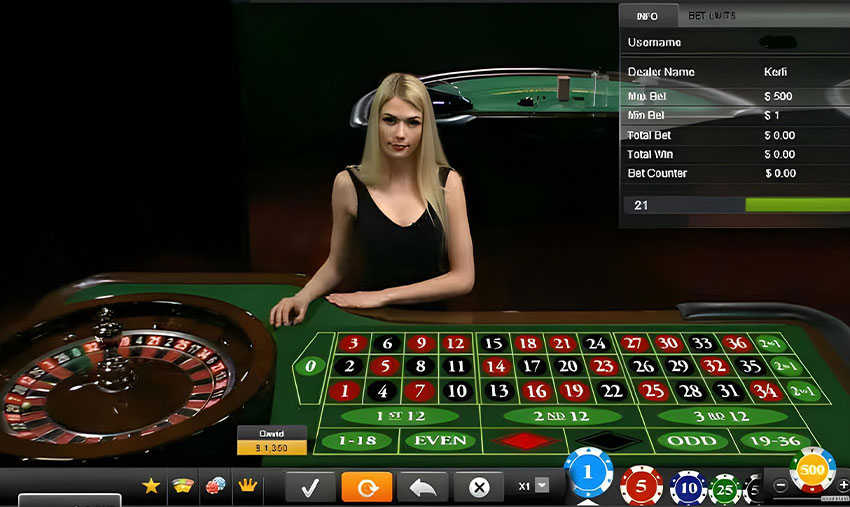
Live dealer tables versus software-based versions
The control a real table gives you, and what it costs
Choose the live version when the dealing itself is the point: you want to see cards leave a shoe, a wheel spin, and decisions resolved in front of you rather than by a random number generator. That visibility is the entire product. It also changes the rhythm. A software table deals when you click and moves as quickly as you choose, whereas a live table follows the dealer and the other players, making each round longer and reducing the number of decisions you make per hour. Higher minimum stakes are common on live tables because each seat carries the cost of a studio, a dealer and a video feed. Read the table limit before you sit down; if the minimum is above what you would stake on a software version of the same game, the live table is a different proposition, not a better one.
Where software versions fit better
Software-based tables win on the practical criteria: lower stakes, faster rounds, and the ability to play several hands or tables at once. They also let you test a betting pattern or learn a side bet without an audience. The trade-off is that the visual dealing is an animation of a random outcome, so any sense of watching a real dealer is absent. Neither format changes the underlying rules or the house edge of the game; those come from the rules and the number of decks, not from whether a person is dealing. Pick live when atmosphere and dealer interaction justify the slower pace and higher stake; pick software when stake size, speed or practice matters more. The useful dividing line is your stake per round, not the production quality of the stream.
Free play and demo modes: what they teach and what they cannot
What the free version teaches you
Free play is a genuine learning tool for the rules, and nothing more. In a demo blackjack table you can see when the dealer stands, when a split is allowed and when doubling is refused, at no cost and without a clock. Roulette demo wheels let you watch how a straight-up bet, a split and a column bet occupy the layout, and how the payout for each is worked out. Casino poker variants reward the same study: the sequence of betting rounds, which hands qualify and where the house takes its cut. Pace is the part most players underestimate. Dealing a few hundred hands at no risk teaches you how quickly a losing run arrives and how long a session actually feels.
Why demo outcomes tell you nothing about real money
A demo balance is not money, so the decisions change. Risk shifts what you notice: a player who splits eights without hesitation for free may freeze over the same choice with a stake attached, and the hesitation is the real game. Free play also hides the cost of the table. Every wager at a real table carries the house edge described on the game’s information page, and repeated play works that edge against your balance. A demo session hides this cost entirely because there is no balance to erode. The random number generator driving the demo is the same mechanism behind the paid table, so neither version lets you predict the next spin or deal. Demo play cannot tell you what your money will do. It can only tell you whether you understand the rules, whether the interface makes sense and whether you enjoy the game enough to pay for it. Treat it as a rehearsal, then decide with your budget rather than with a demo streak.
Common questions about online table games
Is there a meaningful difference between European and American roulette, and which should I pick if both are offered?
American roulette adds a double-zero pocket, which increases the house edge compared with the single-zero European wheel. If both appear on the same site, European gives your money a longer run for the same stake and stake size; pick American only if you specifically want the layout.
How can I tell whether an online table game is fair when I cannot see the cards being shuffled?
Look for a published random number generator certificate from an independent testing laboratory, and check whether the game states the return-to-player figure. Neither proves a live deal is honest, but a licensed operator’s audit trail gives you a named body to complain to if results seem wrong.
Why might a casino restrict table game stakes when I am playing with a bonus?
Bonus terms often exclude or cap table games because their house edge is lower and rounds are slower than slots. Read the game contribution list in the bonus terms before staking; ignoring it can void the bonus and any winnings tied to it.
Staying in control at the tables
Control at the tables comes down to decisions made away from them. A budget you can afford to lose, a session length agreed with yourself, and a rule that no single loss gets chased will do more than any in-play tactic. The mechanism to understand is that each hand is independent: a run of losses does not make a win more likely, so raising the stake to recover it only enlarges the risk. Stepping away is a decision, not a failure. In the UK the minimum age is 18 and the Gambling Commission regulates operators; GAMSTOP offers self-exclusion across licensed sites. Support is available from GamCare and BeGambleAware, or via the National Gambling Helpline on 0808 8020 133.